How exploring the English language early and continuously at Waldorf anchored me
By Alessandro Tersigni, Class of 2009
I think a lot about language. It’s what sets us apart among earthly species. It distinguishes geographic regions, nations, communities, and even families. In fact, language is so idiosyncratic that it differentiates individuals. My speech and my writing – as a rule, they’re starkly different – stand out in dramatic and subtle ways from those of everyone alive and everyone who’s ever lived, both kin and strangers.
At the same time, language is the most fundamental way we associate and create with each other. We use it to form societies, found partnerships, forge unions, and fare forth together on quests. Whether verbal, gestured, bodily, written, or otherwise manifested, language is both the expression of individuality and the basic building block of culture.
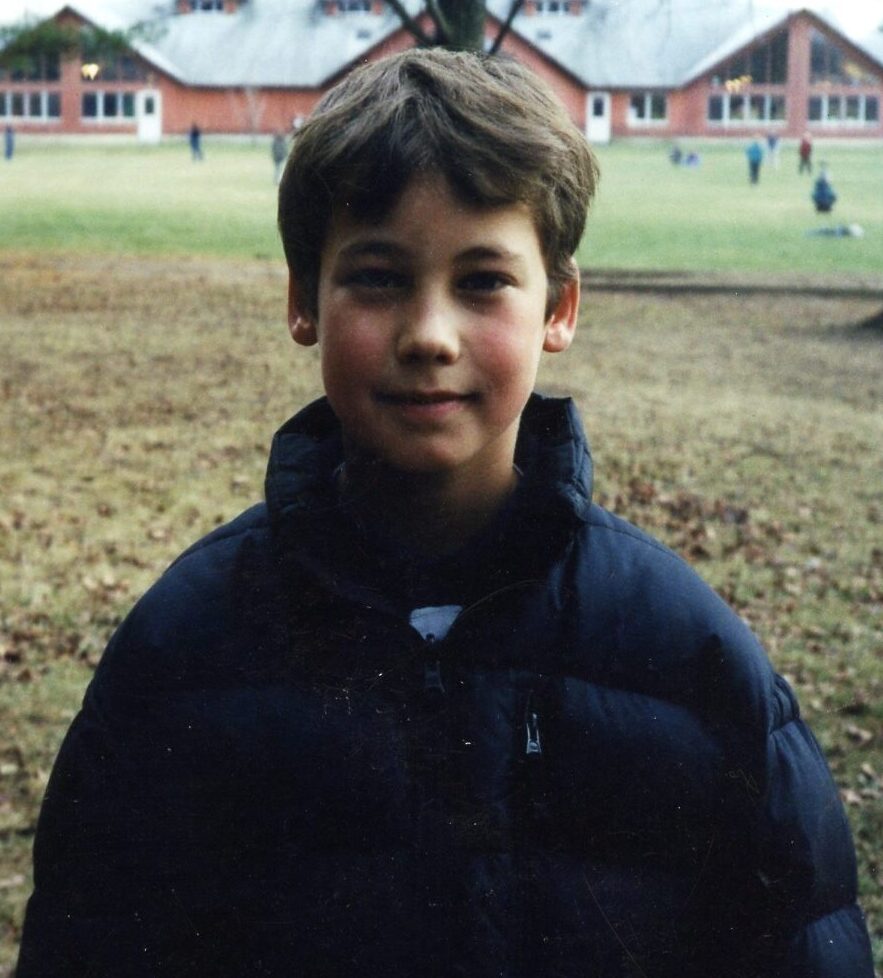
Of the realms of influence responsible for our linguistic lives – biology, environments, personal choices – my education has had by far the largest impact on my relationship to words. In my eleven years at the Toronto Waldorf School, there wasn’t a day we didn’t sing songs, recite verses, and enjoy the art of storytelling, from the first morning of Grade 2 to the last afternoon of Grade 12. We performed and beheld a spectacular range of plays and our diligent and insightful teachers exposed us to thoughtful forms of discourse. This immersion in words and their capabilities determined both the way I speak and the topics I speak about as an adult.
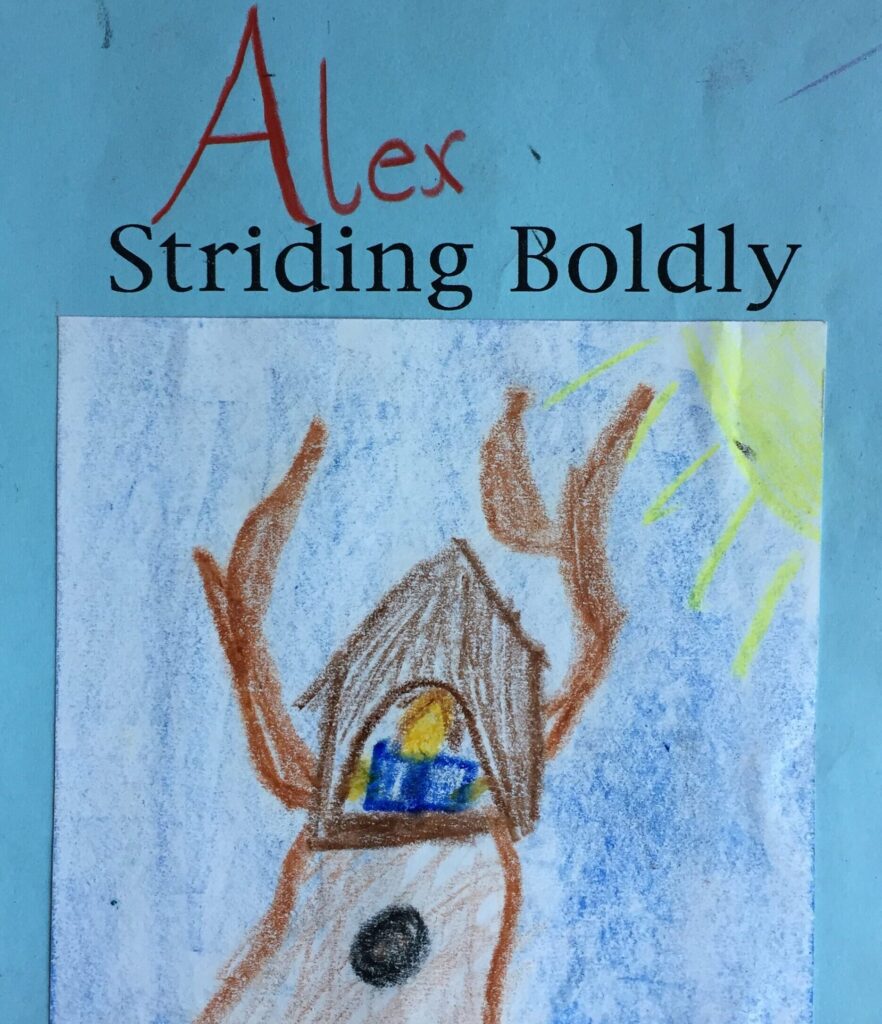
We were privileged to learn more beautiful, deeper lyrics and rhymes than those of Old MacDonald Had a Farm or Humpty Dumpty. “The earth is like ocean / Wreck-strewn and in motion,” reads a magnificent line from a poem we said in Grade 4. Songs too introduced us to a kind of eloquent speech otherwise scarce in our millennial childhoods: “On the earth I love to stand / Strength from stones I’ve taken, / Striding boldly o’er the land / Fearless and unshaken.” Stories we told seemed to parse profound emotions: “A tale we tell of mighty pride, / Of father and daughter and their lives. / Each stubborn and strong as they may be, / But softened by love’s charity.”
Every composition was fit for its setting, whether classroom, forest, blacktop, field, or garden. And, of course, they accompanied anthroposophical tasks like moving desks, crossing balance beams, tossing bean bags, and lighting lanterns. We sang and spoke to welcome all manner of seasons, festivals, entities, and occasions. My favourites honoured autumn, winter, spring, summer, Michaelmas, Hallowe’en, Martinmas, Chanukah, Advent, May Day, the Sun, the north wind, and our class’s newly built bee shelter.
Words are sedimentary and potent. They’re crystallized lineages of vitality, belief, and belonging. When we performed the Michaelmas Play, for instance, we were taking part in a recognition of darkening days practised by countless sets of forebears over the past millennium. In speaking the word Michaelmas, we animated secrets of peasants and monarchs alike who said Michael’s and mass in succession so often and in so many different dialects of English, French, and Latin that they were eventually written down as a new singular word. That unity holds within it specific truths about the human journey.
I didn’t necessarily know any of this while playing the roles of shooting star, gnome, or village butcher, but looking back, it’s easy to recognize that I felt it. Old words like strife, forge, plight, nigh, and waylayer and figurative phrases like poisonous cloak are magical gateways to a larger world that reaches beyond the present in both directions. They’re reminders that we’re part of a continuum that long precedes us and will outlive us.
Words can induce intentional spaces like nothing else I can think of. When thirty children say the Morning Verse in unison or when one teenager reads from The Wars to a silent Remembrance Day vigil, it’s another way of saying, “Our presence is valuable.” I remember twice gathering as a class in a sitting circle after a peer adjacent to the TWS community took his own life. We all listened, some of us spoke, but it was the fact that we did both purposefully that stayed with me. These deliberate, almost ceremonial acts of speaking and listening have an incalculable power. They moulded my understanding of death as much as they legitimized my awe for reverence.
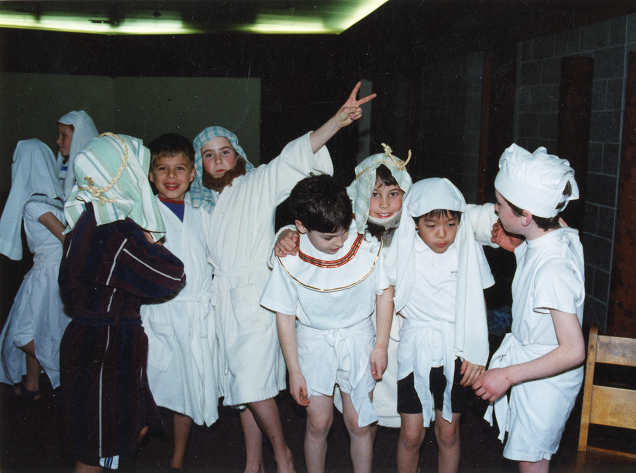
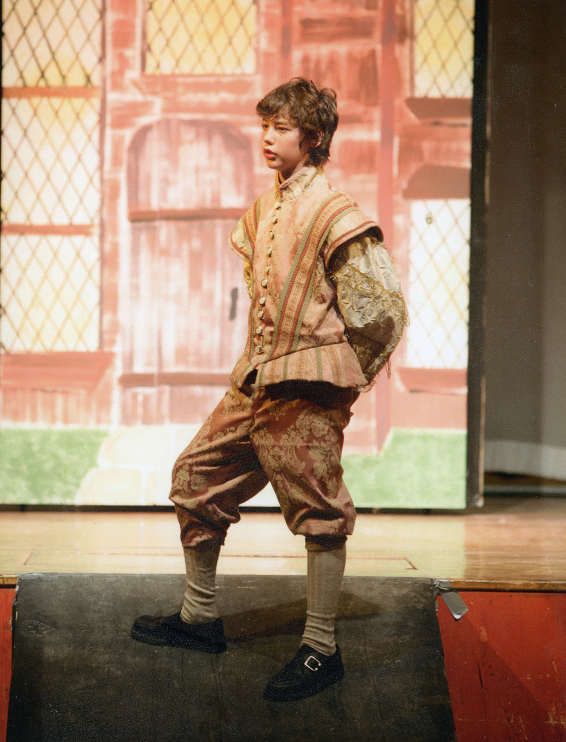
After graduating, I embraced language professionally by becoming a writer. But I also consciously preserved the less utilitarian joy for words that Waldorf pedagogy fortified in me as a very young person. When I write today about what literature, poetry, and performance can mean to humans, I’m drawing on Just Desserts, Wooden Ships, Parent Festivals, Parzival evenings, school assemblies, and other traditions that I was lucky enough to find ordinary when I was a student. It’s rare for me to write anything without in some way tapping into the celebrations of self-expression and participation that spangled that decade.
This bridging of eras is one of language’s greatest gifts. I watched ten different TWS Grade 12 classes perform Star Mother’s Youngest Child. Every time my elders delivered the play’s lines, I grasped something about them as individuals. I felt the emotions they felt and absorbed the metaphors they vivified. When it was time for my class to take up this sacred charge, the words were already inside us, and we didn’t say them alone. All who strode the stage and mezzanine before us spoke through us, just as we’d one day speak through our audience. In voicing this communal drama, we realized something about who we are.
When I was most impressionable, I discovered that words are alive. Whether you’re gathered in a brimming classroom or staring at a laptop screen in silence, being open to their resonance can yield extraordinary meaning, and a curriculum for lifelong learning.
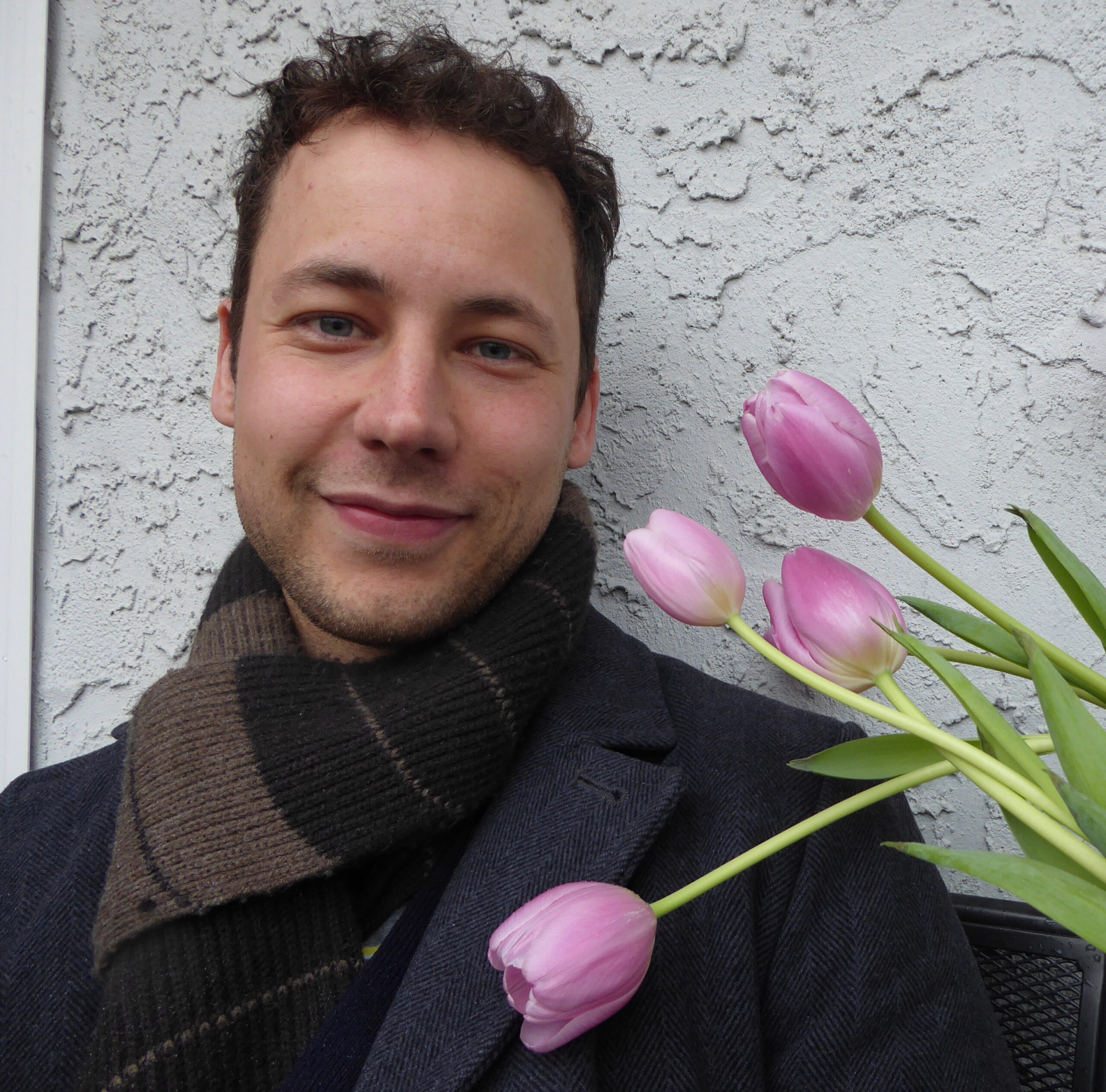
Alessandro (or Alex, as he was known at TWS) writes about art and culture for publications like The Los Angeles Review of Books and The Globe and Mail. He holds an MA in Cultural Reporting and Criticism from New York University and has lived in Toronto, Squamish, New York City, Italy, Bermuda, and Singapore.